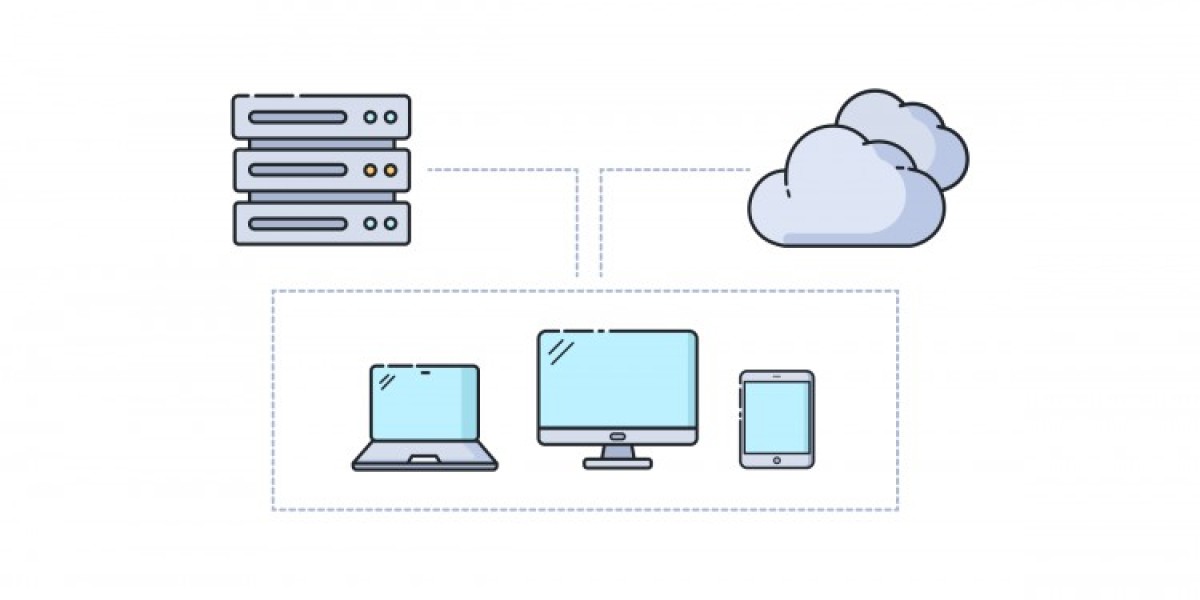

The widespread adoption of Virtual desktops has fundamentally revolutionized how employees access and interact with their computing environments, enabling consistent and secure work experiences regardless of physical location or the device being used for access. This technology delivers complete desktop environments including operating systems, applications, and user data from centralized infrastructure to any authorized endpoint, creating seamless transitions between office, home, and mobile work contexts. The Virtual Desktop Infrastructure Market size is projected to grow USD 156.48 Billion by 2035, exhibiting a CAGR of 18.2% during the forecast period 2025-2030. This exceptional growth reflects the recognition among enterprises that virtual desktops provide the optimal foundation for supporting the flexible work arrangements that have become essential for talent attraction and retention in competitive labor markets. The pandemic-driven remote work experiment demonstrated conclusively that virtual desktop technology could support enterprise operations at massive scale, converting what had been gradual adoption into rapid mainstream deployment. Organizations that had previously considered virtual desktops primarily for specific use cases discovered their broader applicability for general workforce computing, accelerating investment in virtual desktop infrastructure.
The user experience delivered by modern virtual desktop solutions has advanced dramatically, approaching and in many cases matching the responsiveness and functionality of traditional physical desktops. High-performance display protocols optimize the transmission of visual information between servers and clients, using advanced compression algorithms and intelligent bandwidth management to minimize latency even over constrained network connections. Multimedia redirection technologies offload audio and video processing to client devices when appropriate, ensuring smooth playback of streaming content and video conferencing applications without placing excessive demands on network bandwidth. Peripheral device support enables seamless use of local printers, scanners, cameras, and specialized equipment with virtual desktop sessions as if the devices were directly connected to the remote desktop environment. Graphics acceleration through GPU virtualization technologies enables virtual desktops to support demanding visualization applications including computer-aided design, geographic information systems, and scientific computing that previously required dedicated workstations. Touch and gesture support enables intuitive interaction with virtual desktops from tablets and touch-enabled devices, expanding the range of endpoints from which users can productively access their computing environments.
The productivity implications of virtual desktop deployment extend beyond mere technology substitution to enable entirely new ways of working that would be impossible with traditional desktop approaches. Location independence means employees can access their complete work environment from any location with network connectivity, whether at home, in coffee shops, at client sites, or while traveling. Device flexibility enables workers to use their preferred devices for access, whether corporate-issued laptops, personal computers, tablets, or even smartphones for quick reference and task completion. Session continuity allows users to disconnect from virtual desktop sessions and reconnect later from different devices with their work exactly as they left it, enabling seamless transitions between work contexts. Collaboration capabilities are enhanced as virtual desktops can be instantly shared or handed off between team members for real-time collaborative work or escalated support scenarios. Resource access is democratized as even employees using modest endpoint devices can access powerful computing resources hosted on high-performance data center infrastructure.
The management advantages of virtual desktop environments create significant operational benefits for IT organizations responsible for supporting increasingly distributed workforces. Centralized visibility into all desktop activity enables comprehensive monitoring of security events, performance issues, and usage patterns across the entire virtual desktop environment. Standardization of desktop configurations ensures consistent user experiences and simplified support, reducing the variability that complicates troubleshooting in heterogeneous physical desktop environments. Rapid provisioning capabilities enable IT to respond quickly to onboarding requirements, organizational changes, and business expansion without the delays associated with procuring and configuring physical equipment. Update management is dramatically simplified as patches and updates can be applied to master images and distributed to all virtual desktops simultaneously, ensuring consistent security postures across the organization. Disaster recovery capabilities inherent in virtual desktop architecture ensure business continuity, as virtual desktops can be accessed from any location with the corporate network connection, enabling workforce mobilization in response to facilities disruptions.
Top Trending Reports -
France Immersive Analytics Market Size
China Immersive Analytics Market Size
Europe Immersive Analytics Market Size